


The Rise and Fall of the Newton
In 1993, Apple set out to revolutionize the way we organize our lives. They introduced a groundbreaking product called the Newton – a personal digital assistant (PDA) that promised to replace your notebook, rolodex, and paper calendar all in one sleek package.

- Apple set out to revolutionize the way we organize our lives.
- Apple set out to revolutionize the way we organize our lives.
- Apple set out to revolutionize the way we organize our lives.
- Apple set out to revolutionize the way we organize our lives.
The Newton sounded like something from the future, a gadget straight out of science fiction, and it created a lot of buzz. But as many things that sound too good to be true, it ultimately fell short—spectacularly so.
- Apple set out to revolutionize the way we organize our lives
- The Newton sounded like something from the future
- The Newton was plagued with problems from the start
- In theory, the Newton could read your handwritten notes
The Newton was plagued with problems from the start. It was glitchy, bulky, and its battery life was abysmal. But its biggest flaw? The feature that was supposed to be its major selling point: handwriting recognition.
In theory, the Newton could read your handwritten notes and turn them into digital text, freeing you from the tyranny of keyboards.
In practice, it struggled to make sense of even the clearest penmanship, often producing nonsensical results that made the device a punchline rather than a productivity tool.
Late-night comedians and cartoonists had a field day mocking the Newton’s unreliable recognition. Instead of becoming a must-have gadget, the Newton became an embarrassing symbol of over-promising and under-delivering.
Lessons Learned from Failure
The story of the Newton didn’t end with its failure. Instead, it pushed Apple to rethink its entire approach.
Apple learned a critical lesson: that to create something truly revolutionary, it wasn’t enough to just have a great idea—it was crucial to perfect the experience for the user.
This lesson would later become a cornerstone of Apple’s philosophy.
The Birth of the iPhone
When Steve Jobs returned to Apple in 1997, the company was on the brink of collapse. Jobs was determined to save the company, but he knew that Apple couldn’t afford to repeat the mistakes of the past.
He drew lessons from the Newton’s failure. Jobs understood that people didn’t just want a device that sounded impressive—they needed one that worked flawlessly, intuitively, and beautifully.
The Newton had been ahead of its time in concept, but not in execution.
This mindset shaped one of Apple’s most ambitious projects: the iPhone. When Jobs decided to turn the iPod into a phone, he envisioned a device that would be what the Newton had tried and failed to become—a seamless blend of technology that organized, connected, and empowered users.
Unlike the Newton, the iPhone was designed with a relentless focus on user experience. Apple paid attention to every detail: the feel of the glass, the precision of the touch screen, the fluidity of the software.
Jobs knew the stakes were high—Apple couldn’t afford another Newton-like disaster—so they focused on getting it absolutely right.
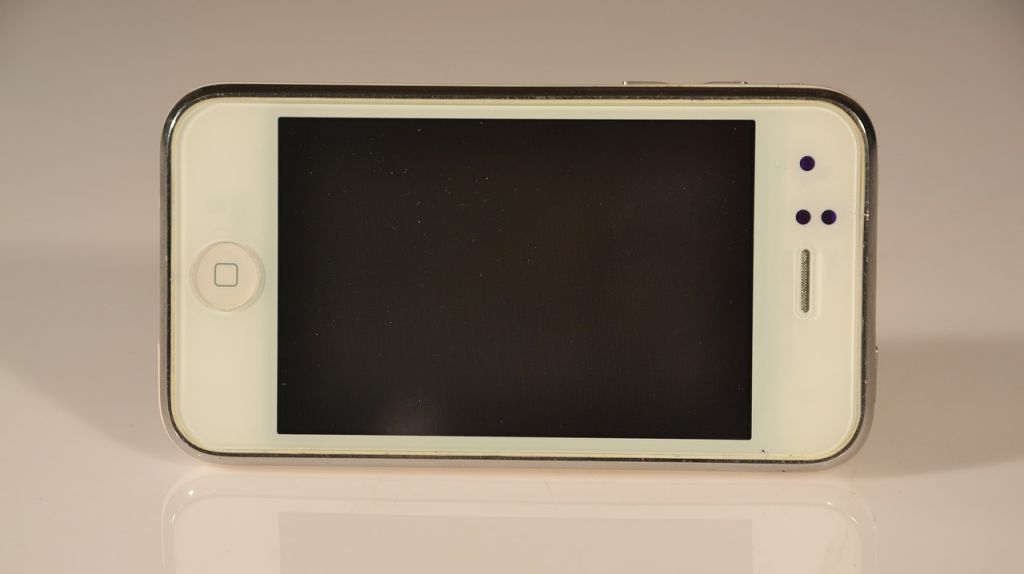
The result was nothing short of revolutionary. The iPhone didn’t just work—it changed everything. It set a new standard for what a phone could be and transformed how people communicated, worked, and lived.
It was sleek, intuitive, and a pleasure to use—everything the Newton was not. Without the failure of the Newton, it’s possible the iPhone as we know it might never have come to be.
The Takeaway for Entrepreneurs
For entrepreneurs, the story of the Newton is a powerful reminder that failure is not the end. In fact, failure is often just the beginning of something much greater.
Apple’s experience with the Newton taught them that the key to success isn’t avoiding failure at all costs—it’s about learning from those failures and using them as the foundation for future success.

Every misstep is an opportunity to reflect, improve, and come back stronger.
So, if you’re facing setbacks, remember this: Apple’s most embarrassing failure ultimately paved the way for their greatest triumph.
The iPhone, a device that made Apple the first company worth over $3 trillion, was born from the lessons of the Newton. Failure isn’t final—it’s an invitation to build something better.